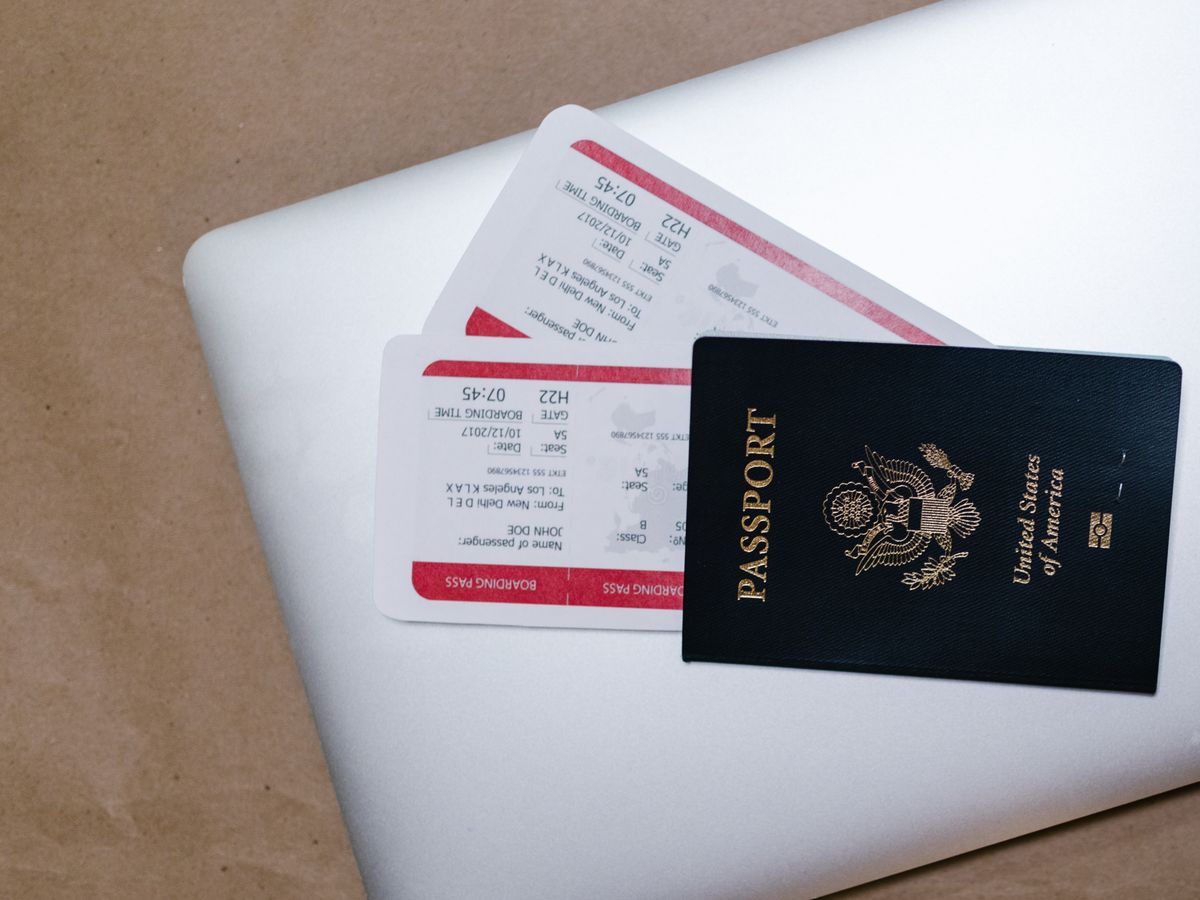
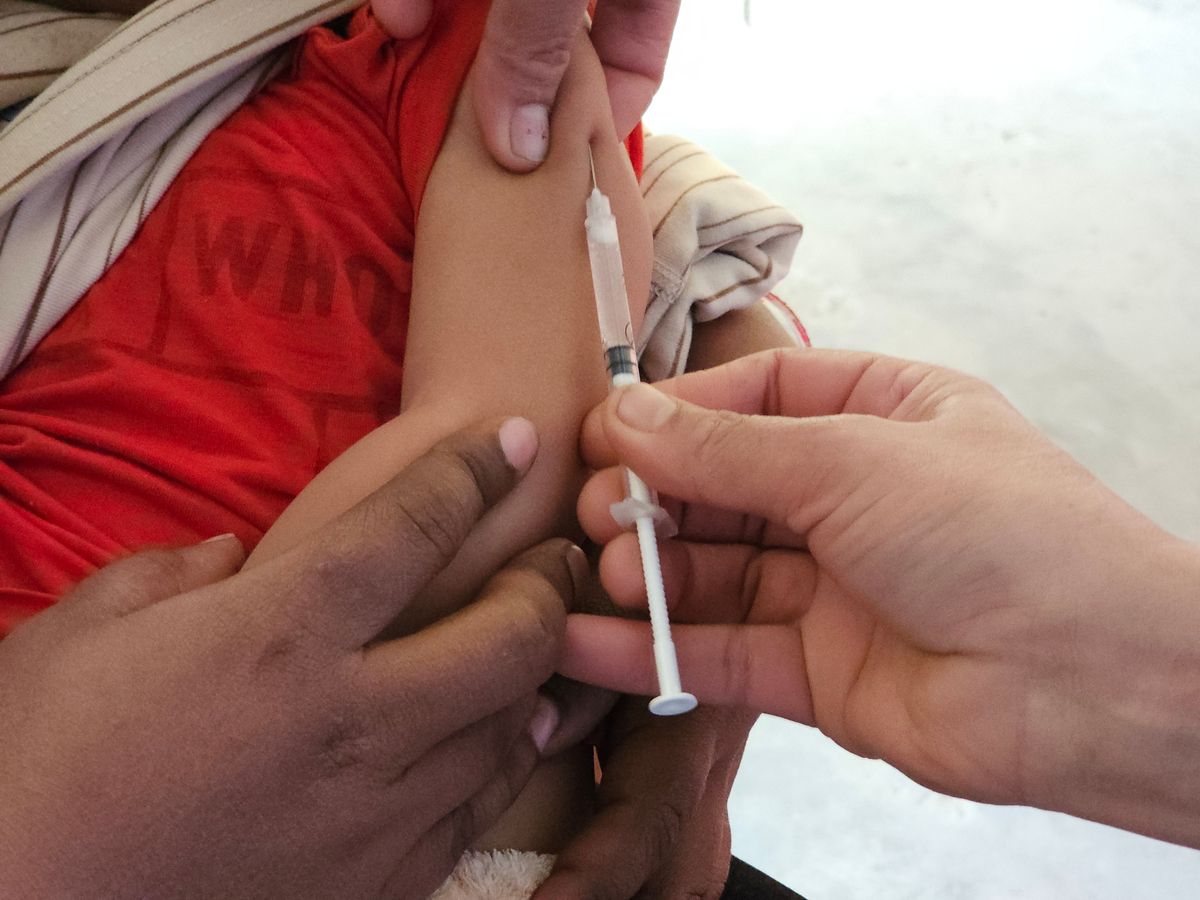
Vaccination requirements for pilgrims have always existed. What changed recently is the format: Pakistan now requires NADRA-integrated digital vaccination proof for travellers departing for Hajj and Umrah, rather than accepting a paper card alone.
This has caught a significant number of travellers out at the airport — which is the worst possible place to discover a documentation problem. This guide explains what is required and how to avoid that.
Vaccination rules for pilgrims are revised regularly by both Pakistani and Saudi authorities. This guide reflects the position as we understand it at the time of writing. Always confirm the current requirement with our team, or with the relevant authority, before you travel.
Which vaccinations are required
Meningococcal ACYW
Saudi Arabia requires meningococcal ACYW vaccination for pilgrims performing Hajj and Umrah. This is the long-standing core requirement. Critically, it must be administered a period before departure for the certificate to be accepted — typically at least ten days — so it cannot be arranged at the last minute.
Polio
Polio vaccination documentation is required of Pakistani passport holders travelling internationally, reflecting Pakistan's polio status. The requirement applies with a defined validity period, so a dose from several years ago will not suffice.
Other vaccinations
Directives issued to airport health authorities have covered documentation for influenza and yellow fever alongside polio and meningitis. Yellow fever requirements generally apply to travellers arriving from or transiting affected countries rather than to all pilgrims. Influenza vaccination is commonly recommended for pilgrims given the crowd conditions.
Why the digital certificate matters
The change is one of verification, not of the vaccines themselves. Previously a stamped paper card from a vaccination centre was the proof. Now that vaccination record must be registered against your CNIC in the national immunisation system and available as a NADRA-integrated digital certificate.
The practical consequence: a traveller can be fully vaccinated, holding a genuine paper card, and still be stopped at the airport because the record was never entered into the digital system. The vaccine is not the problem — the registration is.
How to obtain the digital certificate
- Get vaccinated at an authorised centre. Government-designated vaccination centres for international travellers register the dose in the national system. A private clinic that does not report into the system may leave you with a card and no digital record.
- Carry your CNIC. The record is registered against your identity number. Make sure the number entered is correct — a single wrong digit means the certificate will not resolve.
- Allow the required interval. Meningitis vaccination needs to be given sufficiently far ahead of departure. Do not leave it to the final week.
- Download and verify the certificate. Retrieve the digital certificate online and check that your name, passport number and CNIC match your travel documents exactly.
- Carry both. Take the digital certificate — printed and on your phone — along with the paper card. Redundancy costs nothing.
Common mistakes
- Leaving it to the last week. The meningitis interval alone makes this fail.
- Vaccinating at a centre that does not report digitally. You end up with a card and no record.
- Name mismatches. The name on the certificate must match the passport. Variations in spelling cause problems at the counter.
- Assuming a child does not need one. Requirements apply to travellers by age band — check for every member of the group.
- Relying on a previous season's card. Validity periods apply. A certificate that was valid two years ago may not be now.
What we do about it
Vaccination documentation is part of the file review for every Umrah and Hajj booking we handle. We check the certificate against the passport before you travel, and flag anything that will not pass at the airport while there is still time to fix it.
If you have already booked elsewhere and simply want the documentation checked, contact us — we would rather you travelled than were turned back.
Need help with your travel plans?
Our consultants can answer your questions and arrange the whole trip.
Frequently Asked Questions
Pakistan has moved to requiring NADRA-integrated digital vaccination proof for outbound Hajj and Umrah travellers. Carry both the digital certificate and the paper card, but do not rely on the card alone.
Meningococcal vaccination must be administered a set period before departure — commonly at least ten days — to be accepted. Plan for several weeks ahead to allow for the digital record to be registered and verified.
Requirements apply by age band and are adjusted periodically. Check for every member of your group rather than assuming children are exempt. We verify this for all travellers on a booking.
Return to the vaccination centre with your CNIC and paper card to have the record registered. Do this as early as possible — resolving it at the airport is not realistic.